Start with the Ithaca facade and the deposit you actually have
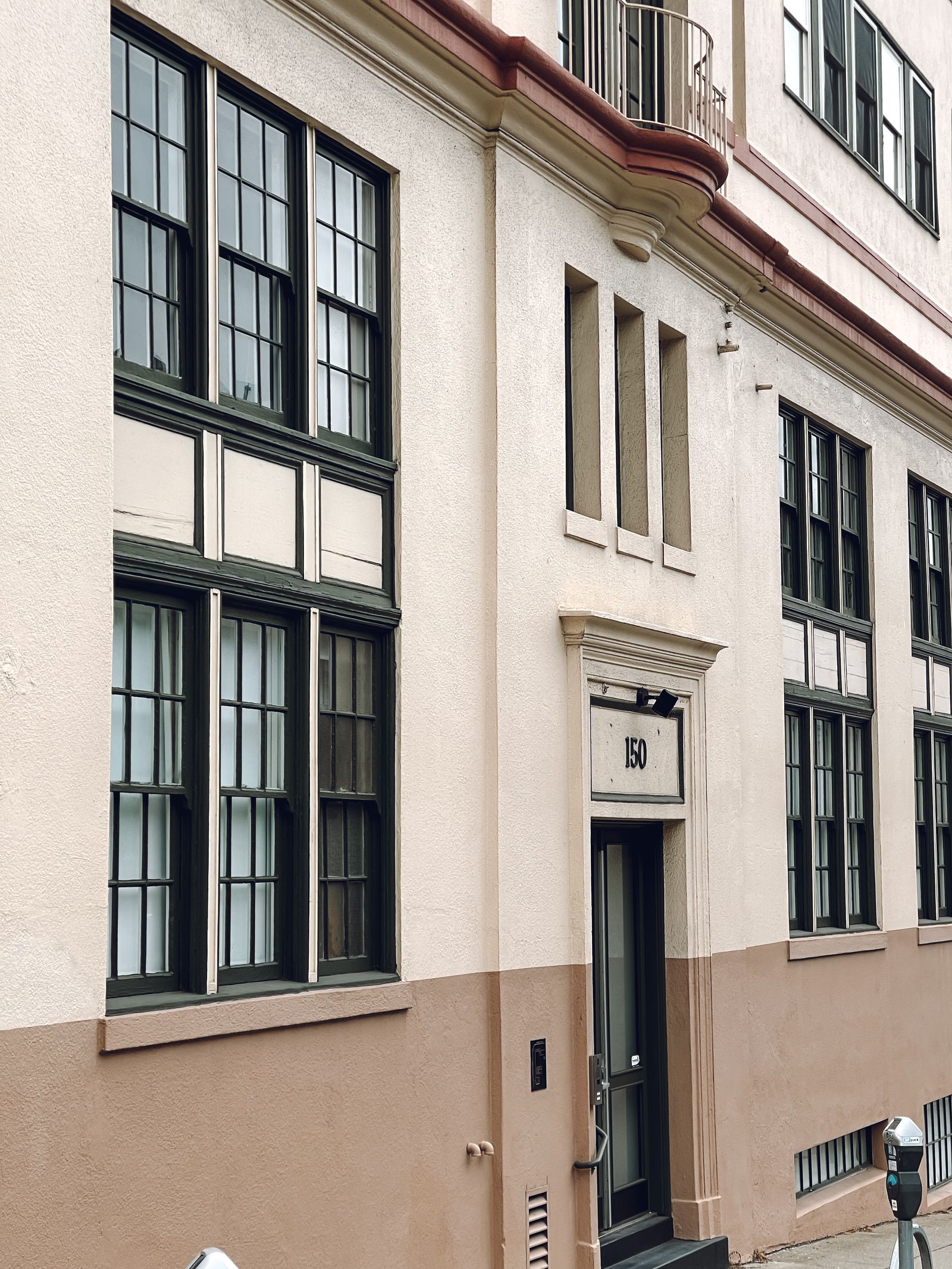
Ithaca commercial buildings often combine brick, soft mortar, limestone, cast stone, concrete, EIFS, stucco, glass, metal panels, painted siding, and repairs from different construction periods. A downtown facade may have old masonry, storefront glazing, awnings, signs, narrow sidewalks, and neighboring doors. A Cornell or Ithaca College building may have landscaped slopes, multiple entrances, courtyards, research or classroom activity, and campus utility constraints. A retail or industrial property on Elmira Road, Route 13, or NY-96 may instead have broad walls, parking lanes, loading areas, and high-traffic access points. Those conditions should be separated before anyone chooses a cleaning method.
Soft washing may fit compatible algae, mildew, pollen, bird residue, and atmospheric film when the product, dwell time, wind, overspray, and rinse are controlled. Lower pressure is not a universal safety guarantee. A dark streak may be organic growth, mineral residue, oxidation, road film, roof runoff, salt, or failing paint. A representative test area can show how older mortar, patched masonry, painted metal, or a sensitive coating responds. Washing does not repair spalling, open joints, failed sealants, leaks, or damaged coatings, so those conditions belong in the scope as exclusions or referrals.
- Separate brick, mortar, stone, concrete, EIFS, stucco, glass, metal, and painted zones.
- Distinguish organic growth, pollen, salt, soot, minerals, oxidation, and roof-runoff marks.
- Define whether the goal is seasonal upkeep, tenant turnover, event readiness, or recurring maintenance.
- Keep tuckpointing, leak investigation, coating replacement, and restoration outside routine washing.
Build the scope around downtown, Collegetown, and campus access
Downtown Ithaca and the Commons area can put a work zone close to pedestrians, buses, outdoor dining, storefronts, parked cars, delivery activity, and neighboring tenants. State Street, Aurora Street, Seneca Street, and adjacent blocks may require a short hose route, protected glazing, a spotter, phased elevations, and a clear public path. Collegetown properties near Dryden Road, College Avenue, and North Campus can have steep walks, student movement, bicycles, deliveries, and narrow setbacks. A quote should state how entrances, sidewalks, accessible routes, and tenant operations remain usable while the work is underway.
Cornell and Ithaca College facilities add class schedules, events, residence activity, service vehicles, research spaces, air intakes, and campus safety procedures. A medical building near Cayuga Medical Center or a busy Route 96 corridor may need patient drop-off, emergency access, staff doors, and quiet work windows. Retail corridors around Elmira Road and the Shops at Ithaca Mall may need shopper circulation and tenant coordination. The right sequence may clean a rear or upper elevation first, then reserve the most visible entry for an agreed low-traffic period.
Plan for Ithaca hills, lake weather, salt, and freeze-thaw
Ithaca's valley setting creates meaningful differences between a sheltered downtown wall, a shaded campus elevation, an exposed hillside, and a property near Cayuga Lake. Snow, slush, deicing salt, sand, spring pollen, humidity, and heavy rain collect around lower masonry, garage ramps, curbs, canopies, loading docks, and entrances. A slope above a building can move meltwater toward a lower door or parking edge. Repeated wetting and freezing may reveal weak mortar, cracks, spalled concrete, or coating failure that a wash should not conceal or aggravate.
Rain, wet snow, freezing temperatures, lightning, gusts, poor visibility, and slick walking surfaces can change dwell time, spray control, drying, aerial stability, public safety, and runoff. A sunny metal panel may dry while a shaded brick wall remains damp. The crew and facility contact should agree on pause and reschedule triggers before hoses, barriers, lifts, or aerial equipment are staged. A recurring plan should follow the building's exposure and material rather than promise the same visit interval for every elevation.
- Review the forecast, wind, temperature, lightning, snowmelt, surface condition, and drying time.
- Check roof edges, gutters, downspouts, irrigation, canopies, joints, and low walls for repeat wetting.
- Protect plants, air intakes, equipment, finishes, vehicles, and public routes from solution and rinse water.
- Document remaining salt, mineral, oxidation, coating, or repair conditions after the facade dries.
Treat grades, drainage, and runoff as part of the cleaning plan
Before applying chemistry or rinse water, map curb inlets, catch basins, basement doors, steep drives, garage ramps, planting beds, low points, and places where snowmelt concentrates. Ithaca properties may drain toward a city street, a campus system, a planted swale, a creek corridor, or a neighboring lot. A visible grate is not automatic permission to send treated water into it. The site review should also identify water access, hose paths, air intakes, electrical equipment, outdoor seating, vehicles, and the person authorized to stop work if flow changes.
Controls depend on the product, loosened soil, rinse volume, slope, inlet locations, and property requirements. Depending on the site, the plan may use plant protection, reduced rinse volume, diversion, collection, recovery, filtration, or coordination with the responsible authority. The first rinse should be watched closely because water may move under a door, toward a lower sidewalk, or across a sloped parking lane. If one wall keeps darkening, investigate gutters, downspouts, roof edges, irrigation, sealants, and drainage instead of treating repeated washing as a repair.
Use aerial assistance only when the Ithaca site supports it
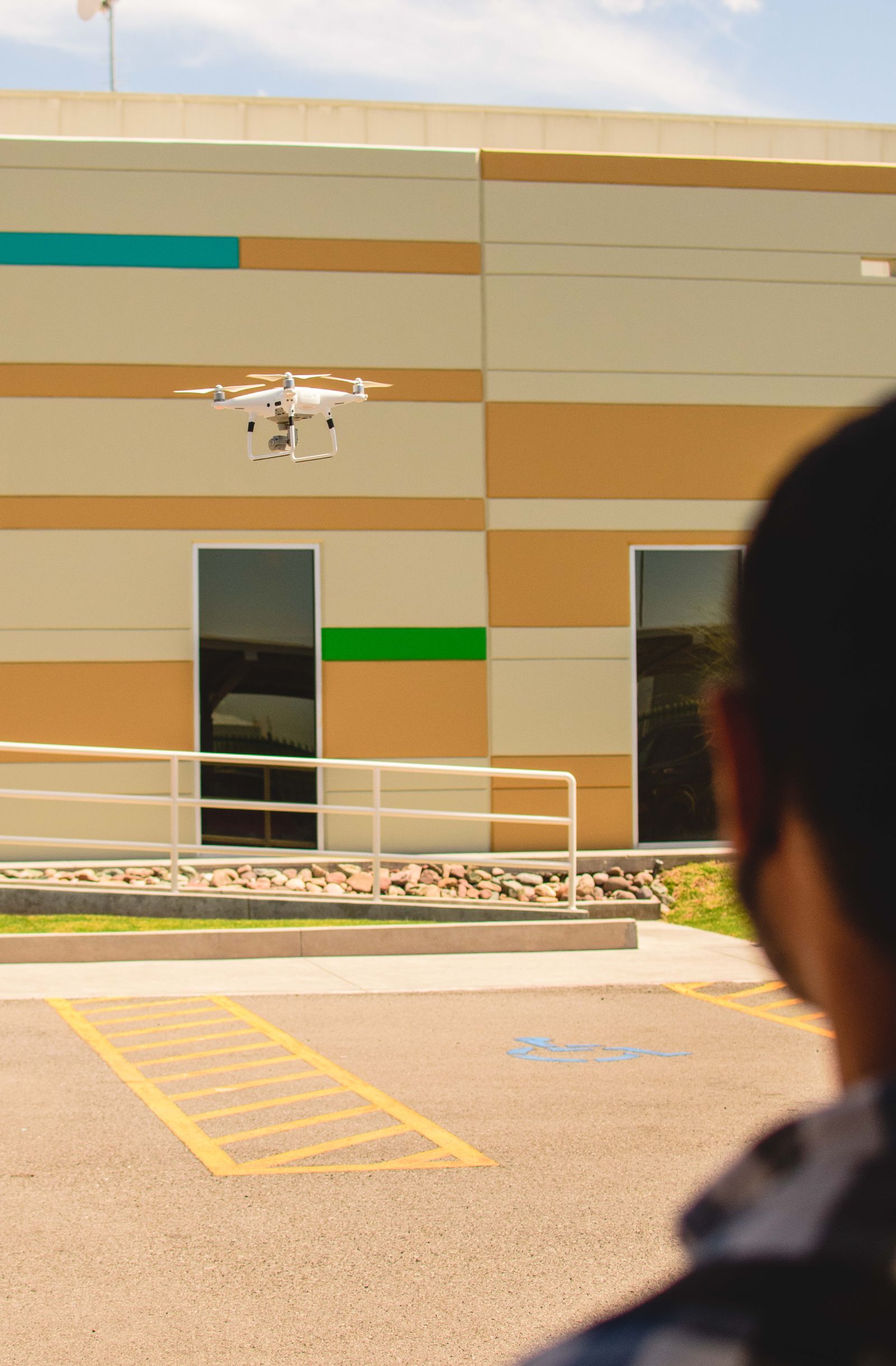
Drone-assisted application or rinsing may support selected upper walls, parapets, ledges, and broad compatible facade zones when wind, stand-off distance, line of sight, launch and recovery space, water supply, and ground controls are workable. It can reduce some lift staging on an open commercial or campus elevation, but it does not make unsuitable chemistry appropriate. Windows, cornices, recessed entries, signs, delicate trim, and stubborn deposits may still require a pole, lift, or hand detail.
Ithaca's overhead utilities, mature trees, steep sites, campus activity, active streets, neighboring properties, and changing weather can make one elevation feasible and another unsuitable. Commercial drone work must follow applicable Federal Aviation Administration requirements; property permission does not replace aviation rules. The proposal should identify aerial zones, spotters, public separation, communications, weather limits, emergency stop procedures, and the fallback method. A hybrid plan is often the most predictable way to clean a tall occupied property.
Request an Ithaca quote with property details that matter
Send the address, building use, approximate height, facade materials, target elevations, stain photos, preferred timing, water access, nearby drains, slope or snow-storage concerns, access rules, and known leaks, loose material, coating failure, or previous cleaning damage. Include photos of the main entry, a shaded wall, an upper elevation, roof edge, loading area, glazing, landscaping, and parking-side drainage. Mention whether the goal is a campus event, tenant handoff, seasonal reset, sale, inspection, or recurring maintenance program.
To discuss an Ithaca property, call +1 239-351-2897 or email contact@dronebuildingcleaners.com. Drone Building Cleaners can help determine whether soft washing, controlled pressure, aerial assistance, or a hybrid method fits the building and prepare a quote around access, occupants, weather, protection, runoff, limitations, and the finish you need. A specific scope gives the facilities team a practical schedule and a useful record after the work is complete.