Soft washing starts with the Ithaca substrate and condition
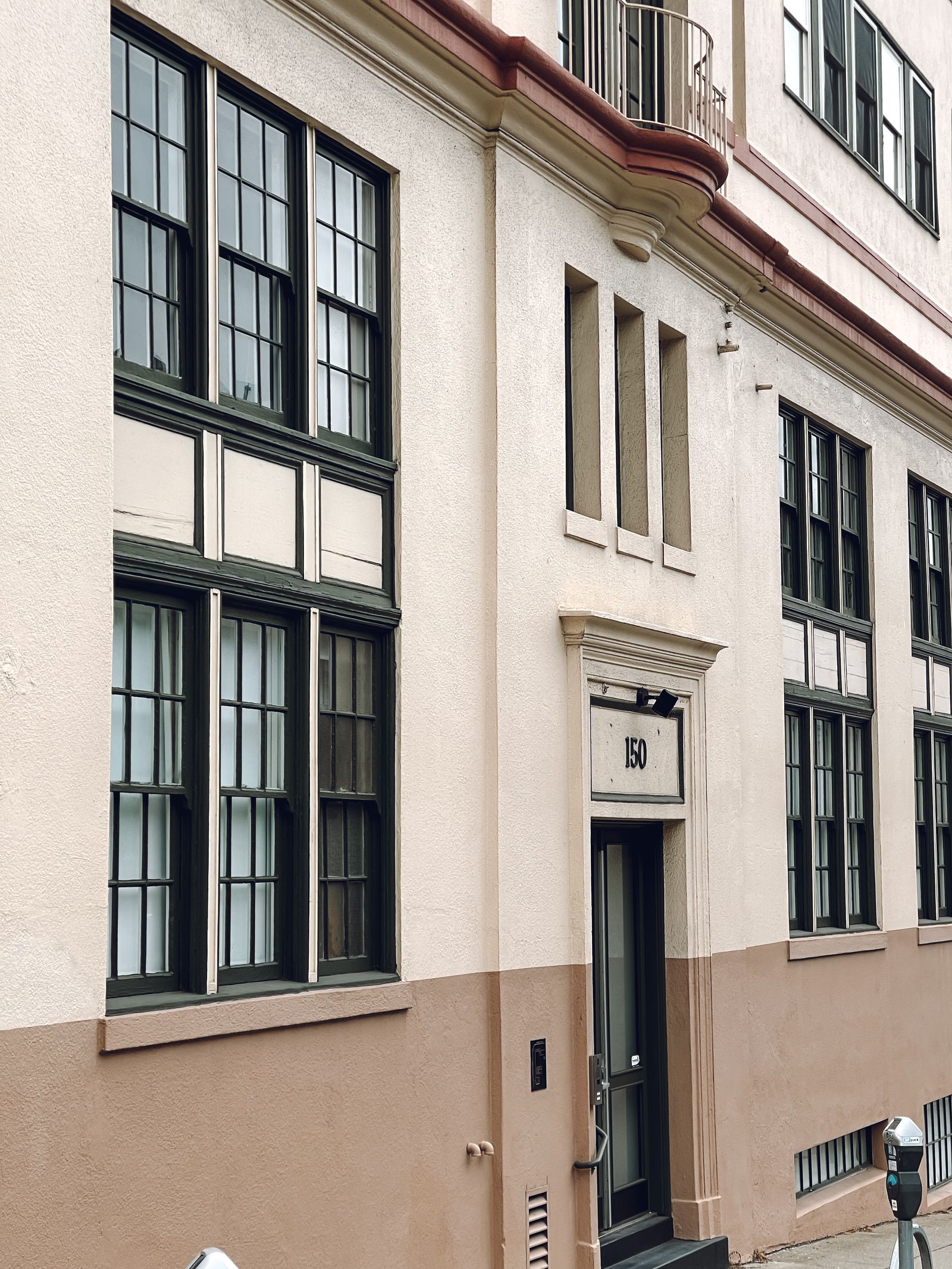
Soft washing may suit tested brick, masonry, painted concrete, stucco, EIFS, and similar zones carrying compatible algae, mildew, pollen, bird residue, or atmospheric film. Reduced mechanical force can be useful on sensitive surfaces, but chemistry strength, dwell time, surface temperature, wind, plant protection, and rinsing still determine the result. A downtown wall with old mortar, a campus building with varied repairs, and a retail facade beside a landscaped slope should not be treated as one uniform surface. A test panel can reveal differences before the full schedule is approved.
The soft-wash label does not mean every mark will disappear. Efflorescence, mineral scale, oxidation, road film, corrosion, soot, adhesive, failed paint, roof runoff, and open joints may need separate testing or another trade. Lower pressure can still damage a weak coating or move water behind trim. A responsible comparison defines the deposit, expected improvement, protection, weather limits, test area, and conditions that remain outside ordinary maintenance cleaning.
Pressure washing belongs on tested, durable Ithaca zones
Pressure washing may fit selected sound concrete, pavement, loading slabs, and other durable zones when nozzle, distance, flow, force, and operator control are appropriate. A sidewalk, garage ramp, or service drive is not automatically interchangeable with the wall above it. Pressure can etch concrete, strip paint, erode soft stone or mortar, damage EIFS, disturb sealants, drive water behind trim, and push dirty water toward a low point. The method should be chosen by the exact surface and desired finish.
An Ithaca property may combine durable pavement with historic brick, painted metal, glass, roof membranes, landscaping, and sensitive campus or medical equipment. A warehouse can have a sound dock beside weathered panels and office glazing. A downtown block can have hard paving beside decorative masonry. Ask the provider to identify where pressure is proposed, what test supports it, how adjacent materials are protected, and whether concrete restoration, paint removal, graffiti treatment, or repairs are separate scopes.
- Ask which exact surfaces are pressure-washed and which are soft-washed, rinsed, or hand detailed.
- Require a test area, process description, expected improvement, and surface limitations.
- Separate facade cleaning from concrete restoration, paint removal, coatings, and repairs.
- Confirm protection for glass, joints, doors, signs, plants, equipment, vehicles, and public routes.
Compare methods by Ithaca snow, salt, hills, and freeze-thaw
Winter maintenance concentrates salt, sand, slush, and snowmelt at entrances, curbs, lower walls, parking decks, garage ramps, and loading areas. Spring pollen settles on ledges and canopies, while humid or shaded elevations may support organic growth. On a hillside near Cornell, South Hill, or West Hill, water can travel from an upper lot or roofline toward a lower entry. Repeated wetting and freezing may expose weak mortar, cracks, spalling, and coating failure. The method should follow the exposure and the deposit for each zone.
Weather controls the comparison too. Rain, wet snow, freezing temperatures, lightning, gusts, poor visibility, icy paths, and rapid meltwater affect chemical dwell, pressure control, drying, public safety, aerial stability, and runoff. A cold-day cleaning may not produce the same result as a mild, dry window. Ask the quote to state stop conditions, rescheduling terms, snowbank and drain protection, and whether the finished work will receive a dry inspection after meltwater clears.
Compare access on streets, campus, healthcare, retail, and industrial sites
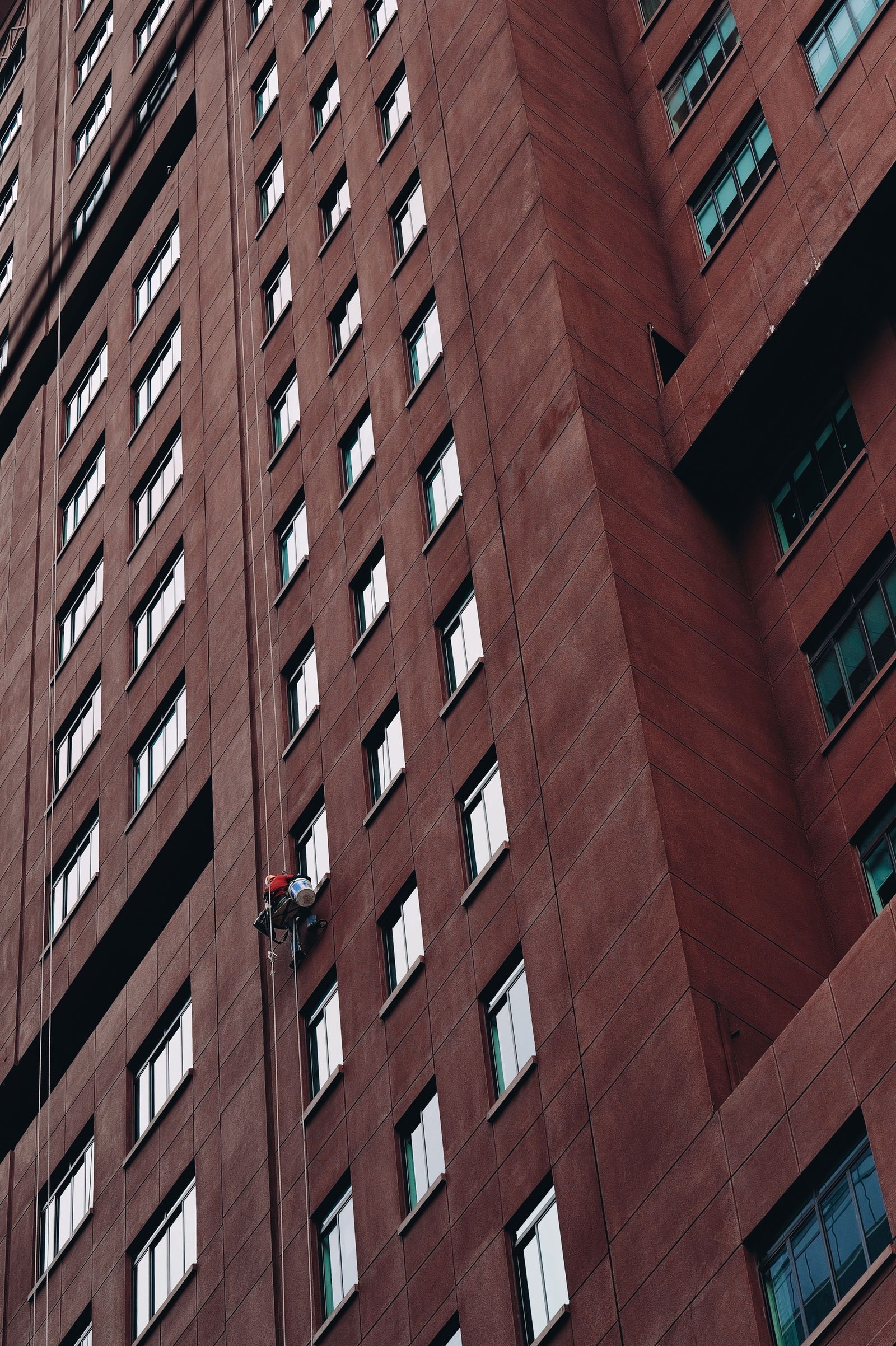
Aerial assistance may support broad, compatible upper walls, parapets, ledges, or roofline zones when wind, stand-off distance, line of sight, launch and recovery space, water, and public separation are workable. An open industrial property near the airport or Route 13 may offer more room than a downtown block with wires, trees, active sidewalks, buses, and neighboring facades. Cornell, Ithaca College, and medical properties add scheduled activity, air intakes, security, accessible paths, and event or patient movement. Access can change the best method even when the substrate is the same.
A drone can assist selected upper wetting or rinsing, but it cannot wipe glass, brush a ledge, scrape a stubborn deposit, repair mortar, inspect a loose detail, or detail a tight storefront frame. Ithaca buildings often need a blend of aerial, lift, pole, pressure, rinse, and hand methods. The scope should map those zones and name the fallback method if weather, airspace, public activity, or finish requirements change. Commercial drone operations must also comply with applicable FAA requirements.
Compare methods by people, grades, drainage, and runoff
The method must fit the property's operating edge. Commons-area tenants need a clear sidewalk and guest route. Cornell and Ithaca College need class transitions, service vehicles, accessible paths, events, and campus safety coordination. Cayuga Health and medical offices need patient movement, emergency access, staff doors, and ventilation controls. Retail properties need shoppers and deliveries. Airport-area warehouses and manufacturing sites need truck courts, forklifts, shift changes, and fire lanes preserved.
Before choosing either process, map water access, curb inlets, catch basins, basement doors, steep grades, garage ramps, planting beds, low points, snow storage, and routes toward streams or other receiving waters. Controls depend on product, volume, loosened soil, slope, and discharge path. They may include diversion, collection, recovery, filtration, reduced water, plant protection, or coordination with the responsible authority. A visible drain is not automatic approval for wash-water discharge. The quote should explain hose routes, barriers, stop authority, and closeout cleaning around entries and paths.
Use a mixed-method scope when one process cannot serve the building
An Ithaca property may need soft washing for compatible organic staining, controlled pressure on sound concrete, and pole, lift, rinse, or hand work at windows and architectural details. Salt-marked lower walls may need a separate controlled rinse. Efflorescent masonry, corroded panels, failed paint, open joints, and leaking roof edges may require specialty testing or repair rather than more washing. A hybrid scope is a way to keep the method matched to the building's actual materials and operating zones.
Facilities teams should request separate lines for upper wall fields, windows, doors, ledges, canopies, cornices, loading areas, ramps, sidewalks, and snow-salt zones. The scope should identify test-panel observations, weather limits, access, staging, public protection, drainage, water, expected improvement, and closeout photos. For downtown and campus properties, it should acknowledge older masonry and active public edges. For healthcare, retail, office, and industrial sites, it should phase work around the people who use the property.
Get an Ithaca commercial building wash recommendation
Soft washing may fit selected organic growth and atmospheric film, while controlled pressure may fit sound concrete and other durable hardscape. Neither method should be selected from a generic promise. The recommendation should follow the Ithaca substrate, mortar, coating, deposit, height, wind, rain, snow, salt, pollen, freeze-thaw exposure, slope, drainage, access, occupants, and intended finish. A test area and hybrid plan can be more useful than applying one process to every elevation.
Drone Building Cleaners can review Ithaca offices, hotels, healthcare and education properties, downtown storefronts, campus buildings, mixed-use sites, retail centers, warehouses, garages, and industrial exteriors. We can discuss facade washing, upper wetting and rinsing, ledges, canopies, parapets, roofline details, and recurring maintenance while identifying where contact work or another specialist is more appropriate. For a quote, call +1 239-351-2897, email contact@dronebuildingcleaners.com, or submit the address, photos, materials, target elevations, operating hours, and timing constraints through the contact form.